Specialized arcade source manufacturer,focus in high quality ticket redemption machines for 10 years






28
2026
-
04
The Exciting World of Carnival Game Machines: An Inside Look
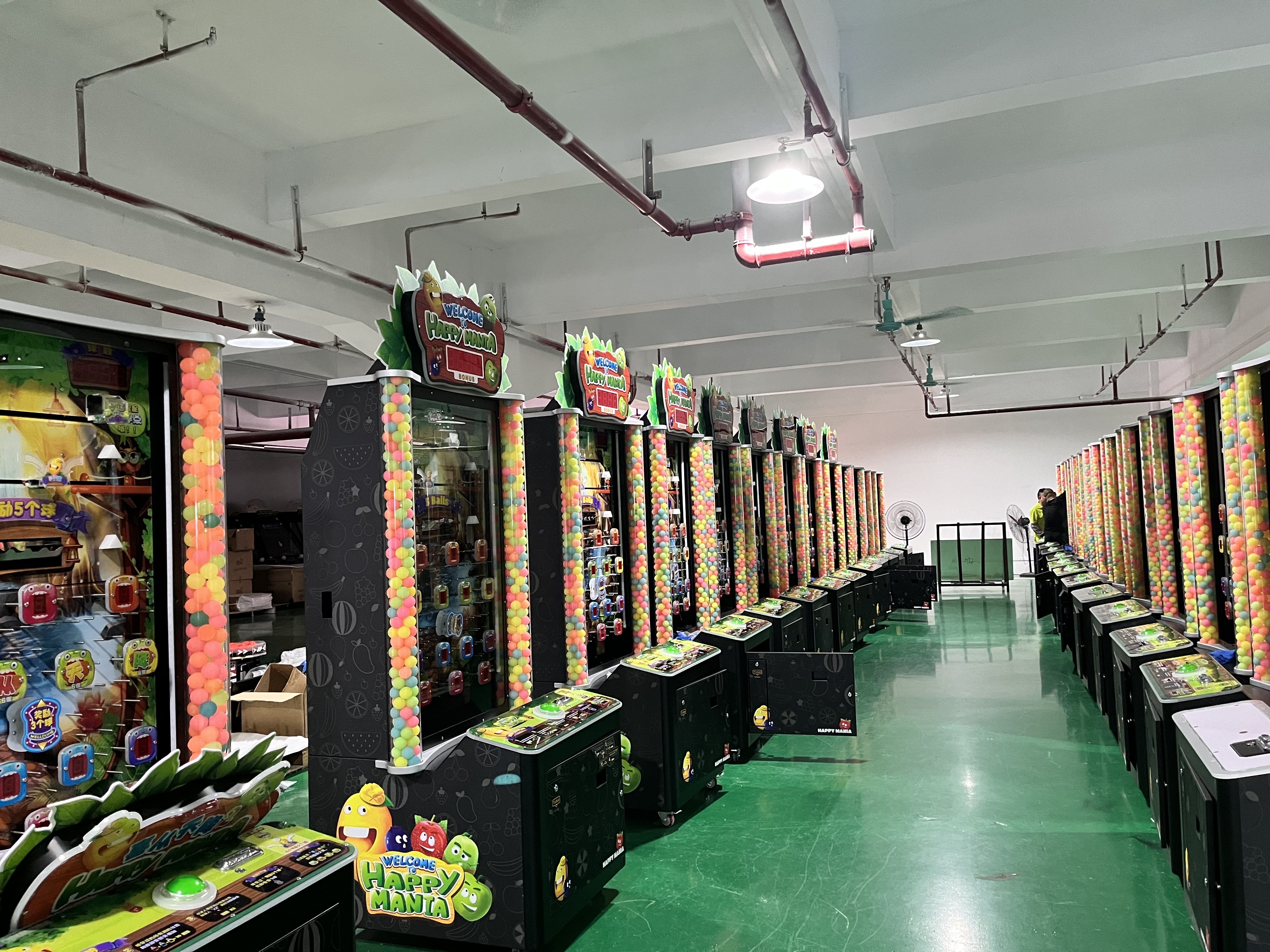
Carnival game machines are a staple of amusement parks, fairs, and entertainment venues worldwide. They combine the thrill of competition with the allure of prizes, drawing participants of all ages. Understanding the technology behind these machines is essential for professionals in the consumer electronics and entertainment industries.
At their core, carnival game machines operate on principles of interactivity and skill. Most games are designed to challenge players in a way that is both engaging and fun. Common examples include ring toss, whack-a-mole, and various shooting games. Each game type requires different mechanisms to provide feedback and scoring, such as sensors to detect successful hits or digital displays to show scores and prize levels.
One key aspect of carnival game machines is the use of sensors and electronics. These machines often incorporate advanced technology, such as touch sensors, motion detectors, and sound systems, to create a more immersive experience. For instance, a shooting game may utilize infrared sensors that track a player's aim, while the audio effects enhance the excitement, rewarding successful shots with congratulatory sounds.
Moreover, carnival game machines are engineered to balance skill and chance. This balance is crucial for maintaining player interest while managing the operational costs for operators. The design of these machines often includes adjustable difficulty settings, ensuring that the games are accessible to beginners while still providing a challenge for experienced players. This adaptability can significantly impact the longevity and profitability of the game.
Another crucial element is the aesthetics of carnival game machines. Bright colors, engaging themes, and innovative artwork not only attract players but also create an inviting atmosphere that enhances the overall experience. When designing a machine, attention to detail in both the visual and tactile elements can significantly influence player engagement.
In recent years, the integration of technology into carnival game machines has expanded. Many operators are now incorporating digital interfaces, allowing for more interactive gameplay and the potential for online leaderboards. This innovation helps to foster a sense of community among players, as they compete not just against themselves but against others in real-time.
In conclusion, carnival game machines represent a fascinating intersection of technology, design, and entertainment. By understanding the mechanics, aesthetics, and technological advancements behind these machines, professionals in the consumer electronics and entertainment sectors can better appreciate their significance and potential in the market. As the industry continues to evolve, staying informed about trends in carnival game machines will be crucial for success in this vibrant field.
At their core, carnival game machines operate on principles of interactivity and skill. Most games are designed to challenge players in a way that is both engaging and fun. Common examples include ring toss, whack-a-mole, and various shooting games. Each game type requires different mechanisms to provide feedback and scoring, such as sensors to detect successful hits or digital displays to show scores and prize levels.
One key aspect of carnival game machines is the use of sensors and electronics. These machines often incorporate advanced technology, such as touch sensors, motion detectors, and sound systems, to create a more immersive experience. For instance, a shooting game may utilize infrared sensors that track a player's aim, while the audio effects enhance the excitement, rewarding successful shots with congratulatory sounds.
Moreover, carnival game machines are engineered to balance skill and chance. This balance is crucial for maintaining player interest while managing the operational costs for operators. The design of these machines often includes adjustable difficulty settings, ensuring that the games are accessible to beginners while still providing a challenge for experienced players. This adaptability can significantly impact the longevity and profitability of the game.
Another crucial element is the aesthetics of carnival game machines. Bright colors, engaging themes, and innovative artwork not only attract players but also create an inviting atmosphere that enhances the overall experience. When designing a machine, attention to detail in both the visual and tactile elements can significantly influence player engagement.
In recent years, the integration of technology into carnival game machines has expanded. Many operators are now incorporating digital interfaces, allowing for more interactive gameplay and the potential for online leaderboards. This innovation helps to foster a sense of community among players, as they compete not just against themselves but against others in real-time.
In conclusion, carnival game machines represent a fascinating intersection of technology, design, and entertainment. By understanding the mechanics, aesthetics, and technological advancements behind these machines, professionals in the consumer electronics and entertainment sectors can better appreciate their significance and potential in the market. As the industry continues to evolve, staying informed about trends in carnival game machines will be crucial for success in this vibrant field.
carnival game machine
Recommended for you

Latest News

Redemption Machines: More Than a Game — They’re Your Brand Promise
Redemption Machines: More Than a Game — They’re Your Brand Promise
Aug 13,2025

Online Message
Quick Links
Contact Information
Add: B16, No.143, Startoon City, YingXin East Road, Panyu District, Guangzhou City, Guangdong Province, China.
WhatsApp/WeChat: +86 18126837443
WhatsApp/WeChat: +86 18924214320