Specialized arcade source manufacturer,focus in high quality ticket redemption machines for 10 years






09
2025
-
12
Unlocking the Fun: A Deep Dive into Amusement Redemption Systems
Amusement redemption systems are an integral part of the entertainment industry, particularly in arcades, amusement parks, and family entertainment centers. These systems revolve around the concept of players earning tickets or points through gameplay, which can then be exchanged for prizes or rewards. Understanding how amusement redemption works is crucial for businesses looking to enhance customer engagement and retention.
At its core, an amusement redemption system is designed to increase player satisfaction and encourage repeat visits. When players engage with various entertainment electronics, such as claw machines or arcade games, they are motivated by the prospect of winning tickets. This gamification of the experience transforms mere play into a thrilling competition, where the excitement of winning fuels continued participation.
One key aspect of amusement redemption systems is the psychology behind rewards. The anticipation of earning tickets and the eventual exchange for prizes can create a sense of achievement and joy. This dynamic is particularly effective in drawing in families and groups, as the collaborative aspect of playing together amplifies the fun. In today’s competitive entertainment landscape, businesses must leverage this emotional connection to stand out.
Moreover, modern amusement redemption systems often incorporate advanced technology, enhancing both gameplay and tracking mechanisms. Electronic ticketing systems allow for seamless transactions, where players can instantly see their ticket count on screens and select prizes via digital kiosks. This integration not only streamlines the redemption process but also enriches the overall experience, making it more interactive and engaging.
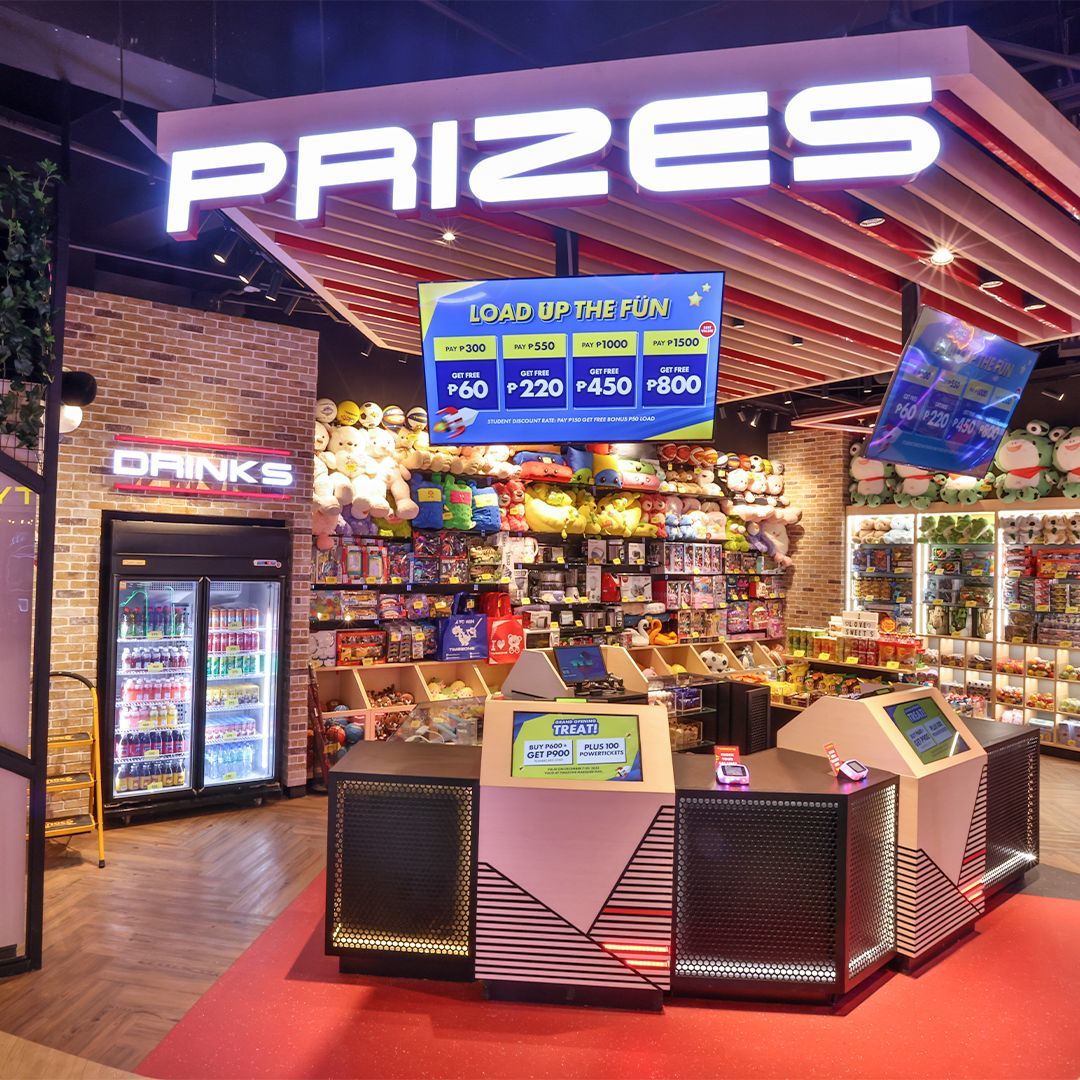
To maximize the effectiveness of amusement redemption systems, businesses should consider a few key strategies. First, it’s essential to offer a diverse range of prizes that cater to varying interests and age groups. By providing appealing rewards, establishments can ensure that players feel their efforts are worthwhile. Additionally, regularly updating prizes can keep the experience fresh and exciting, encouraging repeat visits.
Another strategy is to track player preferences and behaviors through data analytics. By analyzing which games are most popular and what types of prizes are in demand, businesses can make informed decisions about game offerings and inventory management. This data-driven approach can significantly enhance customer satisfaction and profitability.
In conclusion, amusement redemption systems play a vital role in the success of entertainment businesses. By understanding how these systems operate and implementing effective strategies, companies can create memorable experiences that not only captivate customers but also drive long-term loyalty. Investing in this area of the entertainment electronics industry is not just about providing games, but about crafting a complete and engaging adventure for players of all ages.
At its core, an amusement redemption system is designed to increase player satisfaction and encourage repeat visits. When players engage with various entertainment electronics, such as claw machines or arcade games, they are motivated by the prospect of winning tickets. This gamification of the experience transforms mere play into a thrilling competition, where the excitement of winning fuels continued participation.
One key aspect of amusement redemption systems is the psychology behind rewards. The anticipation of earning tickets and the eventual exchange for prizes can create a sense of achievement and joy. This dynamic is particularly effective in drawing in families and groups, as the collaborative aspect of playing together amplifies the fun. In today’s competitive entertainment landscape, businesses must leverage this emotional connection to stand out.
Moreover, modern amusement redemption systems often incorporate advanced technology, enhancing both gameplay and tracking mechanisms. Electronic ticketing systems allow for seamless transactions, where players can instantly see their ticket count on screens and select prizes via digital kiosks. This integration not only streamlines the redemption process but also enriches the overall experience, making it more interactive and engaging.
To maximize the effectiveness of amusement redemption systems, businesses should consider a few key strategies. First, it’s essential to offer a diverse range of prizes that cater to varying interests and age groups. By providing appealing rewards, establishments can ensure that players feel their efforts are worthwhile. Additionally, regularly updating prizes can keep the experience fresh and exciting, encouraging repeat visits.
Another strategy is to track player preferences and behaviors through data analytics. By analyzing which games are most popular and what types of prizes are in demand, businesses can make informed decisions about game offerings and inventory management. This data-driven approach can significantly enhance customer satisfaction and profitability.
In conclusion, amusement redemption systems play a vital role in the success of entertainment businesses. By understanding how these systems operate and implementing effective strategies, companies can create memorable experiences that not only captivate customers but also drive long-term loyalty. Investing in this area of the entertainment electronics industry is not just about providing games, but about crafting a complete and engaging adventure for players of all ages.
amusement redemption
Recommended for you

Latest News

Redemption Machines: More Than a Game — They’re Your Brand Promise
Redemption Machines: More Than a Game — They’re Your Brand Promise
Aug 13,2025

Online Message
Quick Links
Contact Information
Add: B16, No.143, Startoon City, YingXin East Road, Panyu District, Guangzhou City, Guangdong Province, China.
WhatsApp/WeChat: +86 18126837443
WhatsApp/WeChat: +86 18924214320